What is the ADA for Websites? Ensuring Accessibility and Compliance
Understanding the ADA for Websites
The Americans with Disabilities Act (ADA) is a civil rights law that prohibits discrimination against individuals with disabilities in all areas of public life. While originally focused on physical spaces, the ADA has evolved to include digital environments. This means that websites must be accessible to everyone, including people with disabilities.
Why Website Accessibility Matters
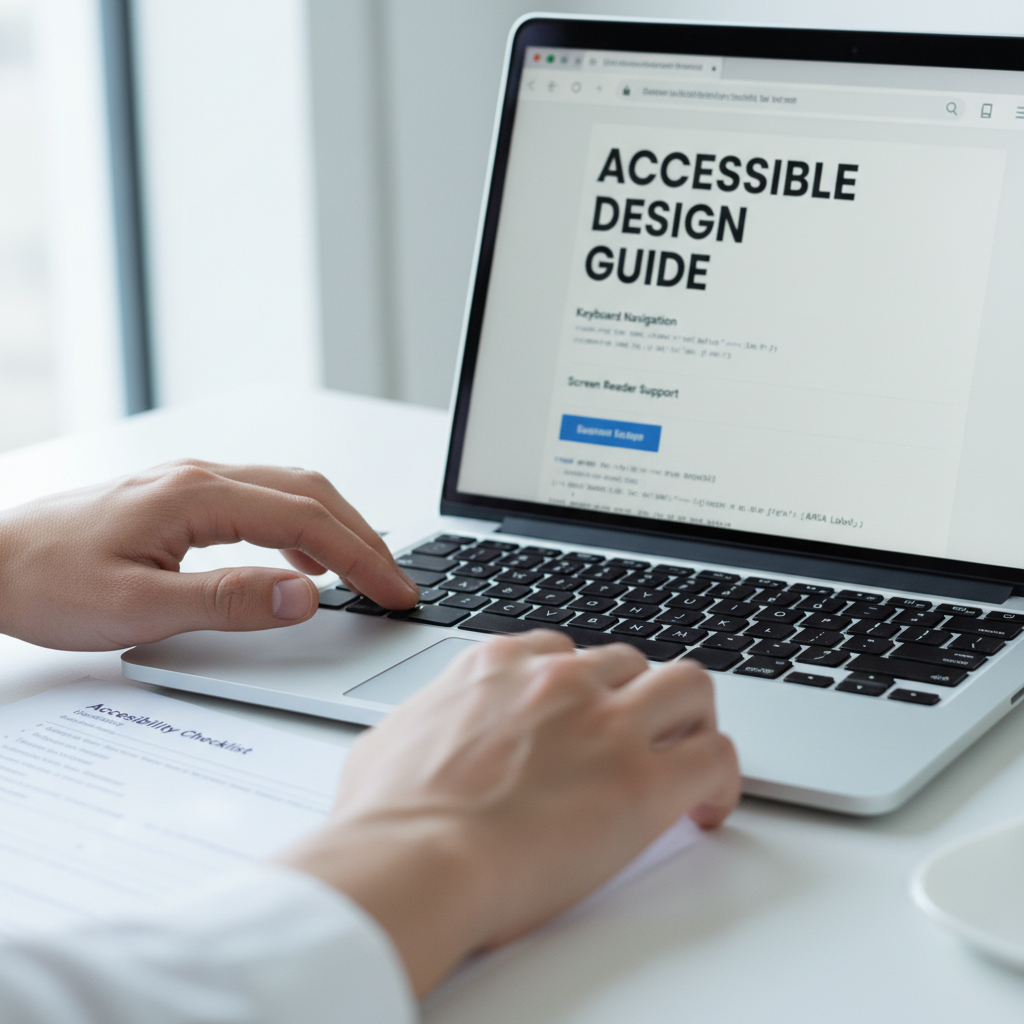
Website accessibility is crucial because it ensures that all users, regardless of their abilities, can access and interact with online content. For businesses, making a website accessible is not just a legal obligation but also a way to reach a broader audience. By enhancing accessibility, companies can improve user experience and foster inclusivity.
Moreover, accessible websites can boost SEO rankings. Search engines favor sites that offer a better user experience, and accessibility features can contribute to this. Therefore, prioritizing accessibility can also enhance a website's visibility and reach.
Key Elements of an Accessible Website
Ensuring a website is ADA compliant involves several key elements. Some of the most important include:
- Keyboard Navigation: Users should be able to navigate the site using a keyboard, without relying on a mouse.
- Alt Text for Images: Providing descriptive text for images helps screen readers convey the content to visually impaired users.
- Readable Text: Ensuring text is legible with sufficient contrast and appropriate font sizes enhances accessibility.

The Legal Implications of Non-Compliance
Failing to comply with the ADA can result in legal repercussions. Businesses can face lawsuits and penalties if their websites are found to be inaccessible. Recent years have seen a rise in such legal actions, emphasizing the importance of compliance.
Beyond legal considerations, non-compliance can harm a company's reputation. Customers value inclusivity, and businesses that neglect accessibility may be perceived as indifferent to the needs of individuals with disabilities.
Steps to Achieve ADA Compliance
To make your website ADA compliant, consider the following steps:
- Conduct an Accessibility Audit: Regularly review your website's accessibility using tools or consulting experts.
- Implement WCAG Guidelines: Follow the Web Content Accessibility Guidelines (WCAG) to ensure compliance.
- Provide Training: Educate your team about accessibility best practices to maintain compliance over time.

Need help?
Ensuring your website is ADA compliant is essential for legal reasons and for promoting inclusivity and a positive user experience. By understanding the importance of accessibility and implementing necessary changes, businesses can create digital spaces that welcome all users. Embracing accessibility not only fulfills legal obligations but also enhances a company's brand and reach. Reach out to us -- we help with compliance and offer auditing services, training, and more!