Top Trends in Data Protection for Florida Businesses
Introduction to Data Protection Trends
In today's digital age, data protection is more critical than ever for businesses in Florida. With growing cyber threats and increasing regulations, companies must stay informed about the latest trends to safeguard their information. This post explores the top data protection trends that Florida businesses need to be aware of in 2023.
From advanced encryption techniques to enhanced privacy measures, these trends are shaping the way organizations handle sensitive data. Understanding these developments can help businesses not only comply with regulations but also build trust with their customers.

Advanced Encryption Techniques
Encryption remains a cornerstone of data protection, but the methods employed are continually evolving. Businesses are now turning to more sophisticated encryption techniques to ensure data remains secure both in transit and at rest. These approaches include homomorphic encryption, which allows computations on encrypted data without decrypting it.
Another trend is the use of quantum encryption, which promises to revolutionize the field by providing theoretically unbreakable security. Florida businesses that adopt these advanced encryption methods can significantly reduce the risk of data breaches.
Enhanced Privacy Measures
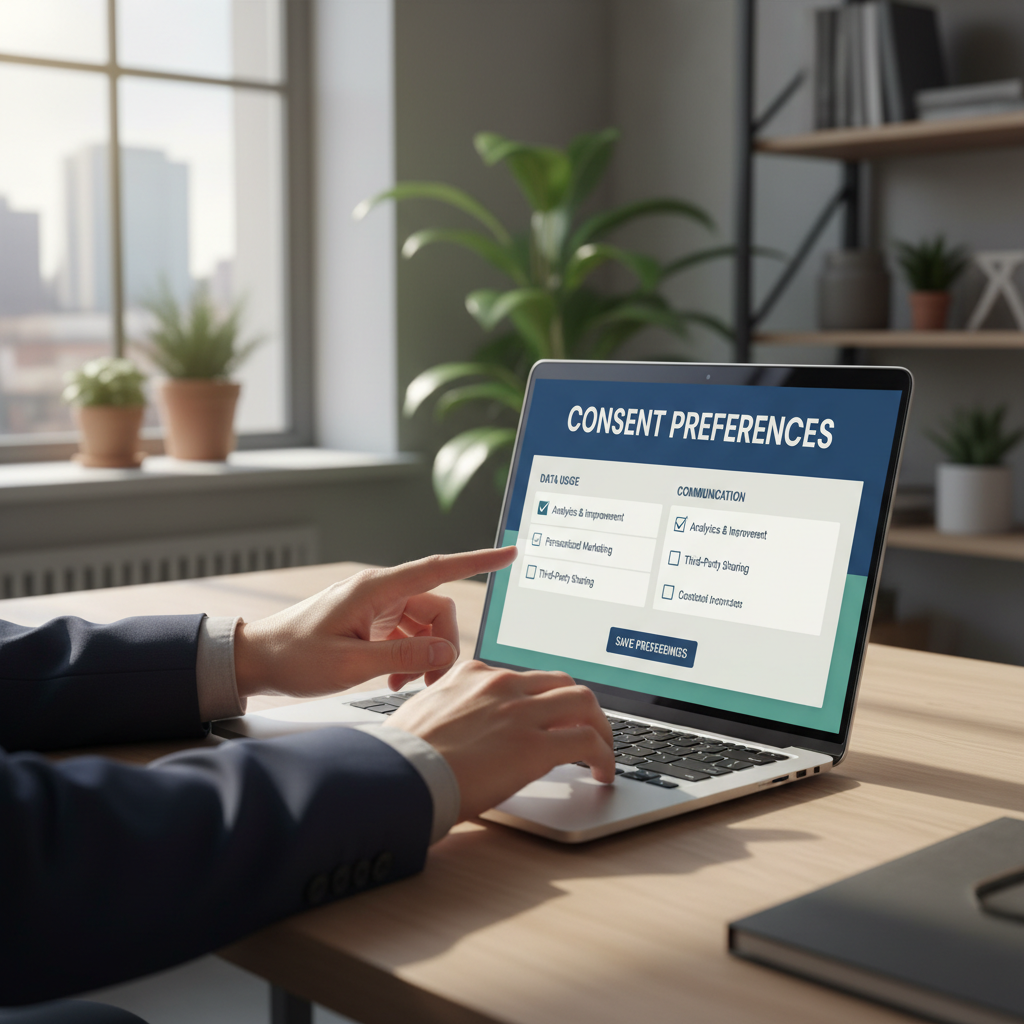
Privacy regulations like the California Consumer Privacy Act (CCPA) and the General Data Protection Regulation (GDPR) have set the stage for more stringent data protection requirements. Florida businesses are increasingly adopting enhanced privacy measures to comply with these laws and protect consumer data.
These measures include implementing privacy by design, conducting regular privacy impact assessments, and ensuring transparency in data collection practices. Such efforts not only help in legal compliance but also enhance customer trust.
AI and Machine Learning in Data Protection
Artificial intelligence (AI) and machine learning are playing a growing role in data protection strategies. These technologies can analyze vast amounts of data to detect anomalies and potential threats in real-time. By leveraging AI, businesses can automate threat detection and respond more quickly to potential breaches.
Machine learning algorithms can also help in predicting future threats, allowing companies to proactively strengthen their defenses. This proactive approach can be a game-changer for businesses looking to stay ahead of cybercriminals.
Cloud Security Enhancements
As more businesses migrate to the cloud, ensuring cloud security has become a top priority. Providers are continually enhancing their security offerings to address potential vulnerabilities. Florida businesses are increasingly opting for cloud services that offer robust security features such as multi-factor authentication, data encryption, and regular audits.

By choosing cloud solutions with strong security measures, companies can protect their data while taking advantage of the scalability and flexibility that cloud computing offers.
Zero Trust Architecture
The Zero Trust model is gaining traction as a leading approach to data security. Unlike traditional security models that trust users within the network, Zero Trust assumes that threats can come from both inside and outside and requires verification at every stage.
This approach involves strict identity verification, continuous monitoring, and micro-segmentation of networks. Florida businesses adopting Zero Trust architecture can better protect sensitive data and minimize the risk of insider threats.
Conclusion
Staying ahead of data protection trends is crucial for Florida businesses aiming to safeguard their data and maintain customer trust. By embracing advanced encryption, enhancing privacy measures, leveraging AI, improving cloud security, and adopting Zero Trust architecture, companies can build a robust defense against evolving cyber threats.
These trends not only help in compliance with regulations but also position businesses as leaders in data security, fostering greater confidence among their clients and stakeholders.