Case Study: How a Business Improved Accessibility and Compliance
Introduction to Accessibility and Compliance
In today's digital age, ensuring accessibility and compliance is not just a legal requirement but a business imperative. This is particularly true for businesses located in diverse and inclusive communities, like Jacksonville Beach. A local business recently undertook a project to enhance its accessibility features, ensuring compliance with legal standards while also making their services more inclusive.
By focusing on accessibility, the business aimed to improve user experience for all customers, including those with disabilities. This case study explores the strategies implemented and the significant impact of these efforts.

Understanding the Challenges
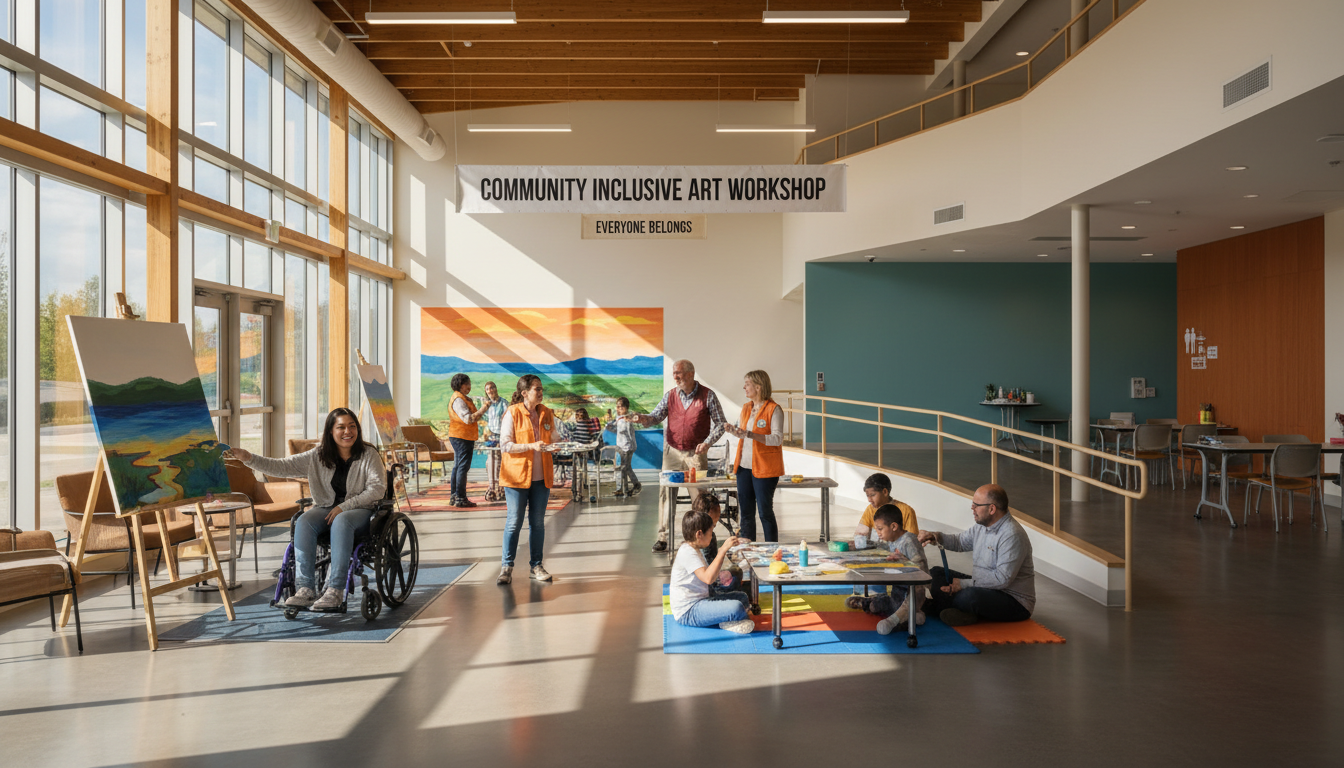
Before the project began, the business identified several challenges in their existing setup. These included physical barriers within their store and digital accessibility issues on their website. Recognizing these obstacles was the first step towards creating a more inclusive environment.
Some of the key challenges identified were:
- Lack of wheelchair ramps at the entrance
- Inaccessible restrooms
- Poor website navigation for screen readers
Setting Clear Objectives
The business set clear objectives to address these challenges. They aimed to not only meet but exceed the minimum standards required by the Americans with Disabilities Act (ADA). Their goals included improving physical access to their premises and enhancing digital accessibility for their online presence.

Implementing Accessibility Solutions
To achieve these objectives, the business partnered with accessibility experts who provided tailored solutions. Here’s a breakdown of the actions taken:
- Installed wheelchair ramps and adjusted door widths to accommodate all customers.
- Renovated restrooms to include accessible stalls and fixtures.
- Redesigned the website with a focus on user-friendly navigation and compatibility with screen readers.
These changes not only improved compliance but also enhanced the overall customer experience.
Measuring the Impact
After implementing these changes, the business saw a noticeable improvement in customer satisfaction and foot traffic. Moreover, their website traffic increased as it became more accessible to a broader audience.

Feedback from customers highlighted the positive impact of these changes, with many expressing appreciation for the inclusive environment.
Lessons Learned
This case study underscores several key lessons for businesses looking to improve accessibility and compliance:
- Proactive Planning: Identifying challenges early and setting clear objectives is crucial.
- Expert Collaboration: Partnering with specialists can lead to more effective solutions.
- Continuous Improvement: Accessibility is an ongoing process that requires regular updates and feedback.
By embracing these lessons, other businesses can create more inclusive environments that benefit both customers and the community.
Conclusion
This business's commitment to accessibility and compliance serves as an inspiring example for others. By prioritizing inclusivity, they not only adhered to legal standards but also fostered a welcoming atmosphere for all customers.
As more businesses recognize the importance of accessibility, the community as a whole benefits, leading to a more equitable and inclusive society.