Affordable Website Accessibility Testing Essentials
Understanding Website Accessibility
Website accessibility is crucial for ensuring that all users, including those with disabilities, can navigate and interact with your site effectively. By implementing accessibility features, you not only comply with legal standards like the Americans with Disabilities Act (ADA) but also enhance user experience, broaden your audience, and improve your brand reputation.

The Importance of Affordable Testing
Accessibility testing can sometimes be perceived as costly, but there are many affordable ways to ensure your site is accessible. Investing in accessibility is not just a legal obligation but a commitment to inclusivity and diversity. Affordable testing solutions make it easier for small businesses and startups to prioritize accessibility without breaking the bank.
Using Automated Tools
Automated accessibility testing tools provide a quick and cost-effective way to identify common accessibility issues. Tools like Wave, Axe, and Lighthouse can scan your website and highlight errors such as missing alt text, poor color contrast, and improper heading structures. These tools are user-friendly and often free or available at a low cost.

Manual Testing Essentials
While automated tools are helpful, they can't catch every issue. Manual testing is essential for understanding the user experience, especially for those using screen readers or other assistive technologies. Common manual testing techniques include keyboard-only navigation checks and screen reader compatibility tests.
- Keyboard-only Navigation: Ensure users can navigate your site using only a keyboard. This is crucial for those who cannot use a mouse.
- Screen Reader Testing: Test how your site is read by screen readers to ensure content is accessible and understandable.
Engaging with User Feedback
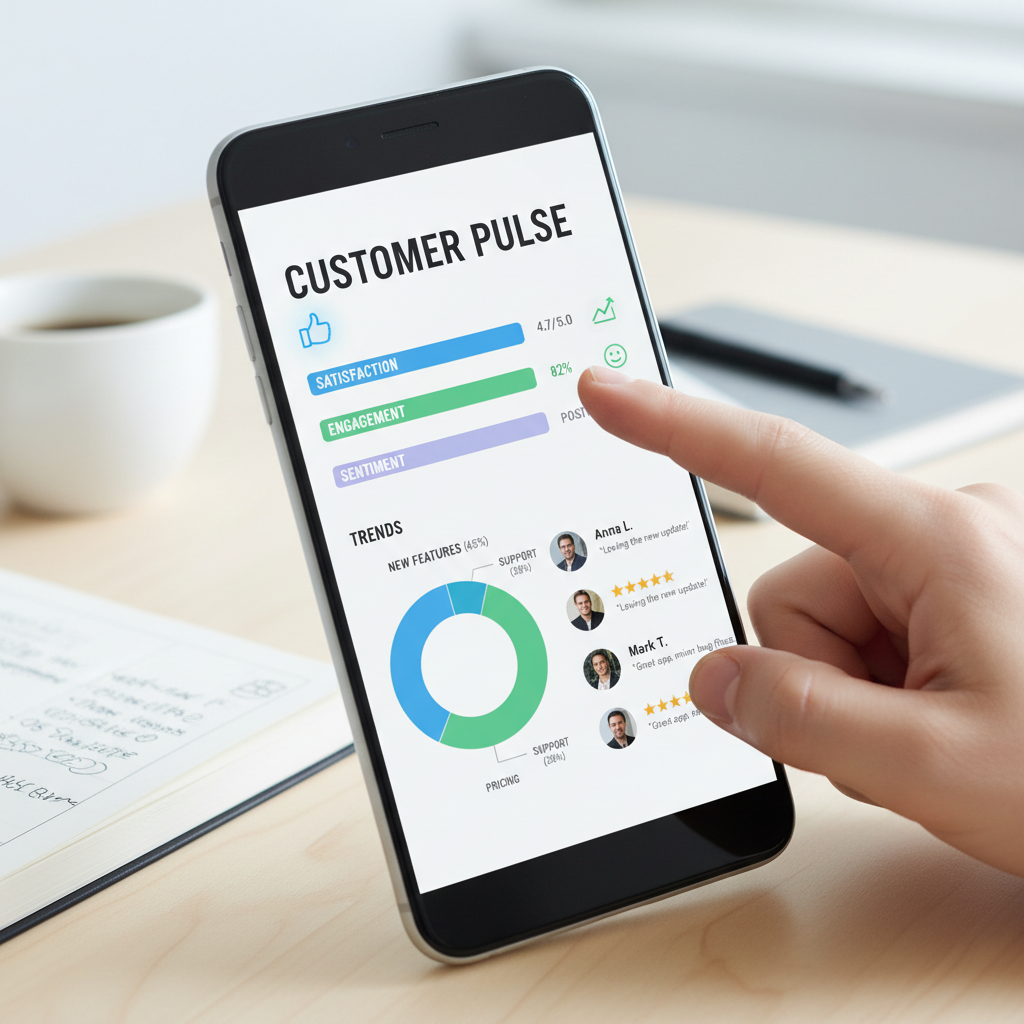
User feedback is invaluable in making your website more accessible. Encourage users to share their experiences and suggestions for improvement. This can be done through surveys, feedback forms, or user testing sessions. Real-world feedback helps identify issues that automated tools may miss.
Training and Awareness
Educating your team about accessibility is a vital part of the process. Conducting workshops and training sessions can foster awareness and understanding among your staff, ensuring that accessibility considerations are integrated into the design and development phases of your website.
Leveraging Community Resources
There are numerous online communities and resources dedicated to web accessibility. Engaging with these communities can provide valuable insights and support. Websites like WebAIM and the W3C Web Accessibility Initiative offer guidelines, tutorials, and forums to help you stay informed about the latest accessibility standards and practices.
In conclusion, affordable website accessibility testing is not only feasible but essential for creating an inclusive digital environment. By using automated tools, conducting manual tests, engaging with users, and leveraging community resources, you can ensure your website is accessible to everyone.